
Owning a home in Oakville is something most people take real pride in — but keeping up with repairs, installations, and ongoing maintenance is a different story. Leaky caulking around the tub, a sliding closet door jumping off its track, a TV that still needs to be properly mounted two months after you bought it — these things pile up fast. For homeowners across Oakville, finding reliable, skilled handyman services in Oakville Ontario that actually show up and get the job done properly makes a big difference.
The gap between a small repair that stays small and one that turns into a costly problem is usually just timing. A loose cabinet hinge left too long can pull away from the frame entirely. A wobbly furniture assembly can become a safety issue if there are children in the house. Local home service that's responsive and experienced helps homeowners stay ahead of these things instead of reacting after the damage worsens.
Whether you're in a detached home near Glen Abbey, a condo along Lakeshore Road, or a townhome in River Oaks, the types of repairs and installations that come up are surprisingly consistent. Handyman Oakville Ontario works across these neighbourhoods and surrounding areas, handling the kind of residential work that makes homes function the way they're supposed to.
Oven Repair Oakville – Home Appliance Help You Can Trust
Most repair needs aren't dramatic. They're the collection of smaller things that quietly accumulate on a mental list — the kind you keep meaning to handle but never quite get to. In most Oakville homes, especially those built in the 1990s and early 2000s in areas like College Park or Iroquois Ridge, common issues include doors that no longer close flush, cabinet hinges that have worked themselves loose, and drywall damage from wall anchors that gave way under the weight of shelving.
Condo owners deal with a different but equally common set of problems. Space is tighter, which means furniture assembly needs to be done precisely to fit the layout. TV mounting in a condo requires careful work with a stud finder to avoid conduit runs hidden behind walls — something that trips up plenty of DIY attempts.
Landlords and property managers have their own set of pressures. Between tenants, there's often a window of just a few days to handle move-in repairs — a broken closet door, a damaged section of drywall, a fixture that's stopped working. Having professional residential repair help that can move quickly and work through a list is worth a lot in that situation.
Seasonal changes add their own demands too. Caulking around windows, door frames, and bathroom fixtures tends to crack and separate over time, especially through Ontario winters. Left unchecked, it leads to moisture problems that are far more expensive to fix than the original sealing job.
Appliances that aren't working properly are another daily frustration. Whether it's a washing machine that's vibrating excessively, a dryer taking twice as long to run a cycle, or a dishwasher that's stopped draining cleanly, home appliance repair is often something homeowners put off because they're not sure who to call.
The honest answer to most of these situations is the same: a skilled, experienced local handyman who shows up prepared, knows what they're looking at, and does the work properly the first time. That's the difference between a repair and a recurring problem.
Closets in Oakville homes vary wildly depending on the age and style of the property. Older homes near Old Oakville often have smaller, simpler closet footprints — a single rod and a shelf. Newer builds in Uptown Core or Joshua Creek tend to have larger walk-in layouts but often come with builder-grade shelving that isn't well suited to how most people actually use the space.
Custom closet solutions aren't about luxury — they're about function. A well-organized closet with the right shelving, hanging sections, and drawer inserts means you can actually find what you need without pulling half the shelf down with it. For most Oakville homeowners, this is one of the most practical upgrades they can make to an existing space without any construction.
The installation process starts with measuring the closet accurately and understanding how the space is used. A couple that shares a walk-in needs a different configuration than a single professional who travels for work. Getting that planning step right makes the actual installation straightforward.
Hardware matters more than most people expect. Cheap tracks, flimsy brackets, and low-quality shelving boards all look fine at first, but they don't hold up under real daily use. Using the right wood screws and wall anchors for the specific wall type — drywall, plaster, or concrete depending on the home — is what makes a closet installation last.
A common issue in older Oakville homes is that closet walls aren't always square or level. This is expected in any property with some age on it, and a skilled installer accounts for it during the layout phase rather than discovering the problem mid-installation.
If your current closet is just a rod and a shelf, a well-planned custom layout can easily double the usable storage without changing the size of the opening. For families with growing kids or anyone working from home with extra gear to store, that kind of improvement in daily function is genuinely noticeable.
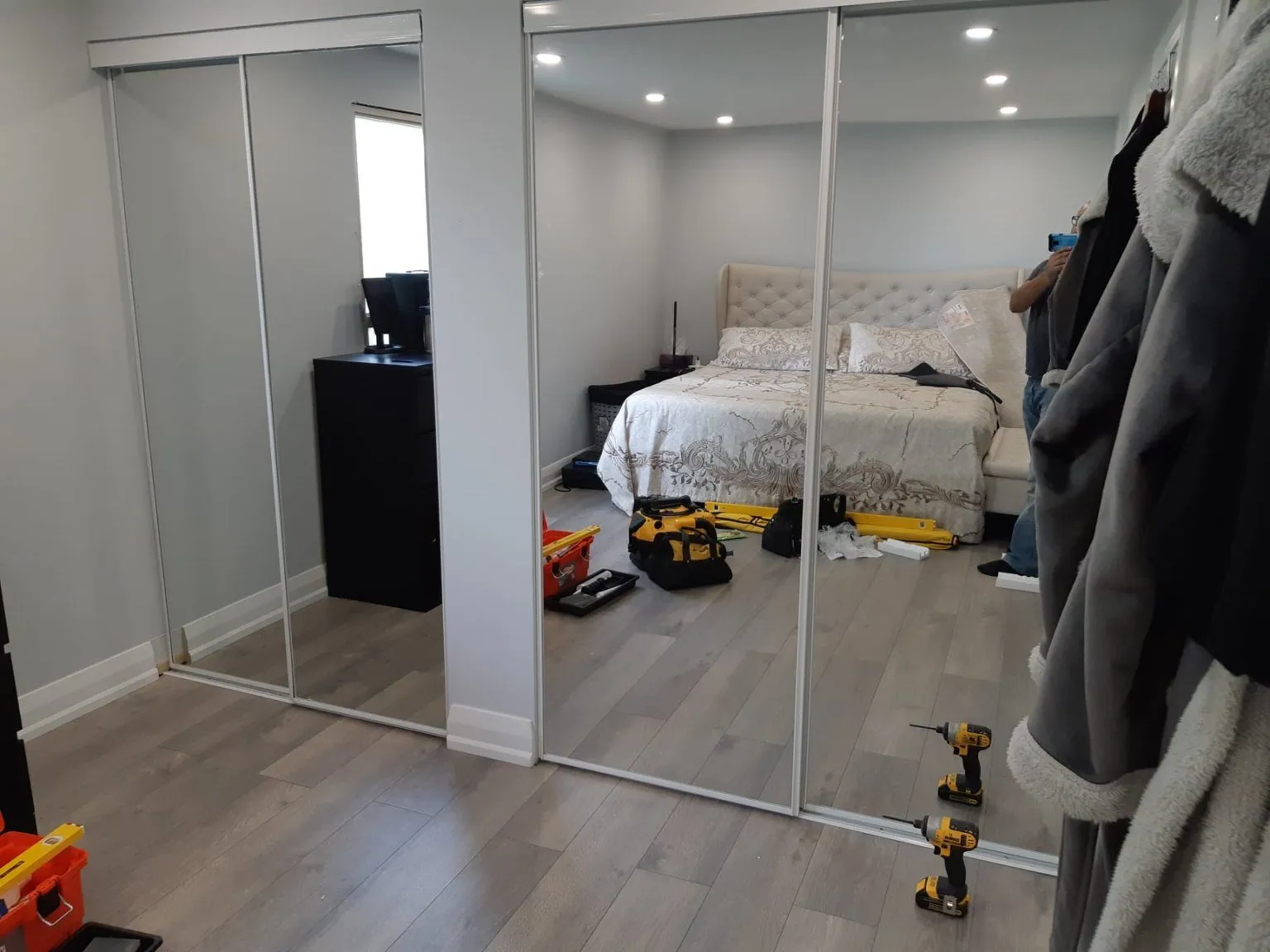
Sliding mirror doors are one of those things you stop noticing until they stop working. A door that jumps the track every time you open it, or one that drags and grinds instead of gliding smoothly, is an immediate daily irritation. In most Oakville homes, these doors are in primary bedroom closets, and the problem is almost always the rollers or the track alignment — both of which are fixable without replacing the entire door.
The most common cause is worn or broken rollers. Over years of use, the plastic or nylon rollers on older sliding doors degrade and lose their grip on the track. Replacement rollers are straightforward to source and install, and the difference in how the door moves afterward is significant.
Track damage is the other frequent culprit. If the bottom track has been bent — from someone stepping on it, or from furniture being dragged across it — the door won't sit properly and will either bind or jump out of position. Straightening or replacing a damaged track is a manageable repair that most homeowners don't realize is an option.
Sometimes the issue is installation rather than wear. Sliding mirror doors that were never properly set up from the start — doors that have been sticking since day one — usually just need to be re-hung with the correct top and bottom clearances and the rollers properly adjusted to the track.
New sliding mirror door installation follows a similar process: accurate measurement, correct track placement, and careful adjustment of the roller height to ensure smooth movement without too much play. Getting the plumb and level right on the initial install is what prevents problems down the line.
Homeowners in areas like Bronte or Kerr Village with older homes occasionally have non-standard door sizes or openings that require custom track lengths. This is a routine part of the installation process for anyone who has done this work before, though it does take a bit more time to source the right materials.
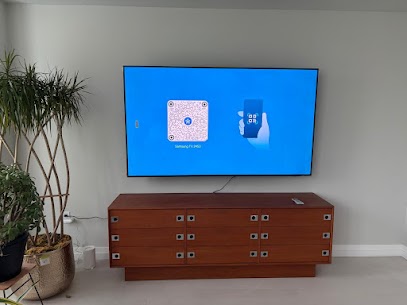
Mounting a TV seems simple until you're standing on a ladder with a level and a stud finder, trying to figure out why the wall doesn't seem to have a stud anywhere near where you need one. In most Oakville homes — particularly drywall-over-wood-frame construction common in subdivisions along Trafalgar Road and Upper Middle Road — the studs are there, but not always where you need them for a clean centered mount.
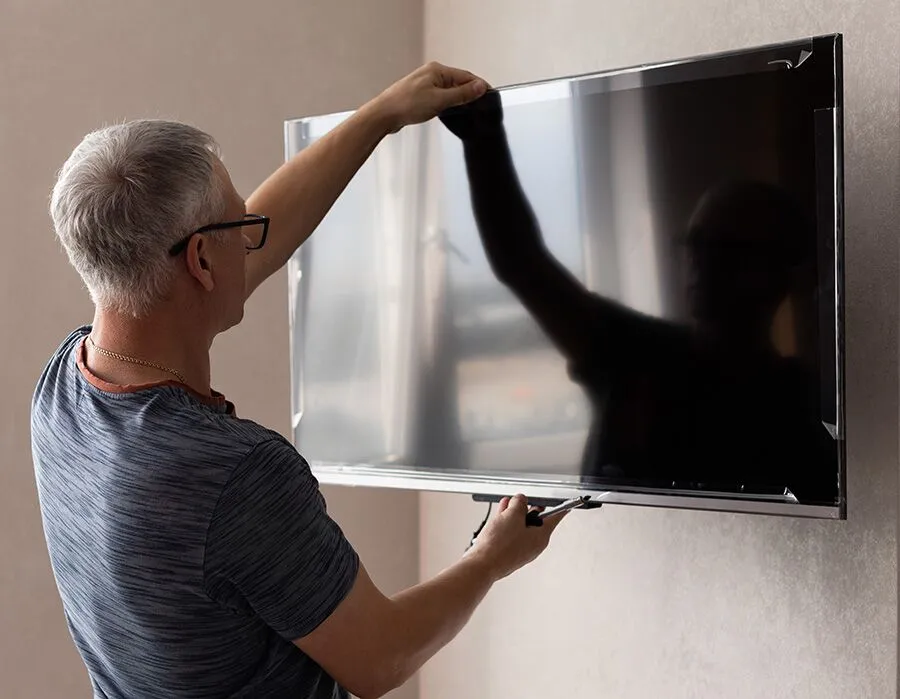
The solution depends on the TV size and wall material. For smaller screens, high-quality drywall anchors with the correct load rating can work well. For larger TVs — 65 inches or above — anchoring into studs is the right approach. Using a reliable stud finder and confirming the find before drilling is a basic professional step that saves a lot of grief.
Cable management is what separates a clean installation from one that looks like an afterthought. Running cables behind the wall, or using an in-wall power kit with a proper surface raceway, is a relatively straightforward addition to a TV mounting job that makes a significant visual difference in a living room or bedroom.
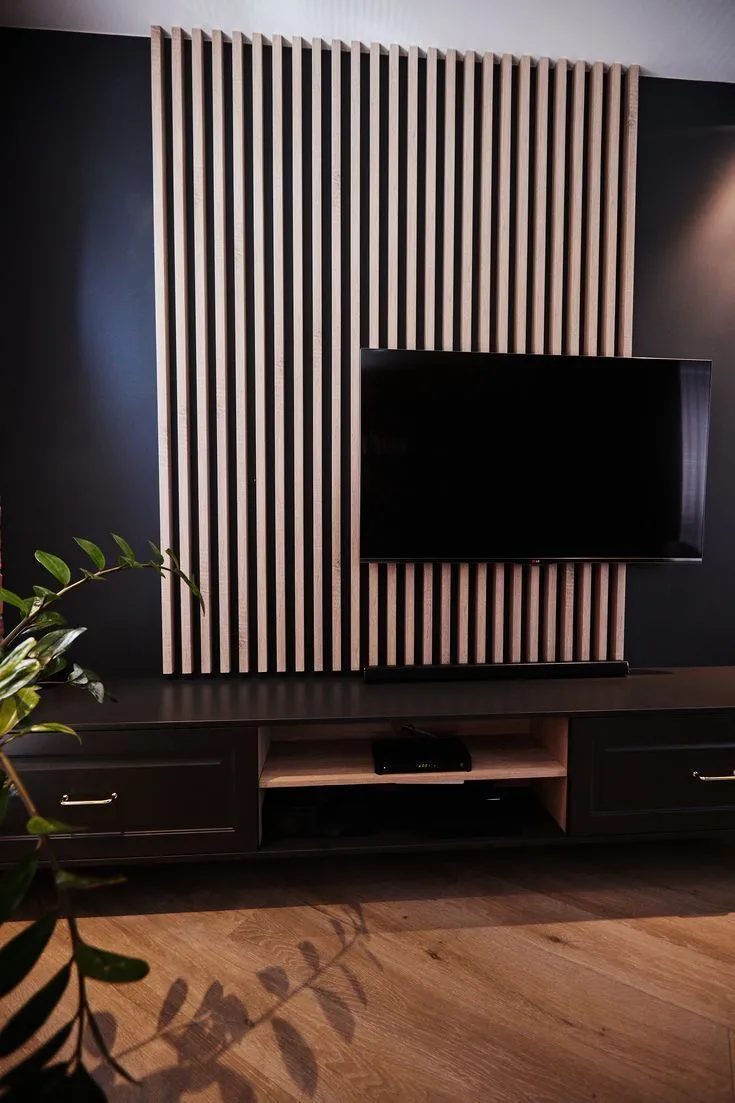
TV wall unit and media wall installation is a bigger scope of work — building out a full entertainment wall with shelving, cabinetry, and integrated mounting takes accurate measuring, careful drilling, and solid anchoring to make it look right and hold safely. In homes with heavier feature walls or stone veneer, the hardware and approach change accordingly.
Condo owners along Lakeshore Road often deal with concrete or masonry walls, which require hammer drill bits and sleeve anchors rather than standard wood screws. It's a different installation process, but it's not complicated for someone with the right equipment and experience.
A common request is mounting a TV in a bedroom above a dresser or in a spot that doesn't have an obvious outlet nearby. Planning the cable route and power access before drilling is the step that prevents you from ending up with a beautifully mounted TV and a visible extension cord running down the wall.

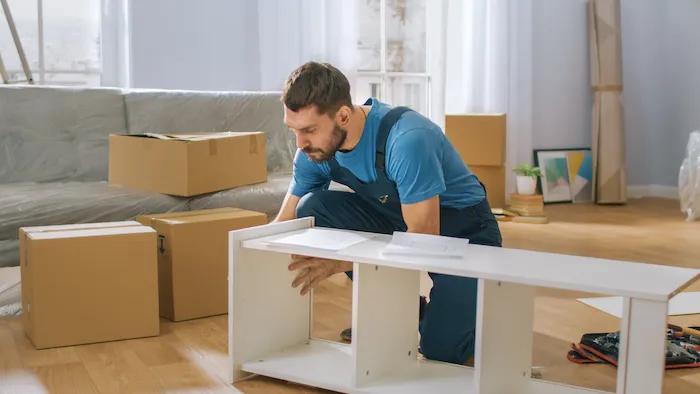
Flat-pack furniture assembly is one of those tasks that looks manageable in the store and becomes genuinely difficult on a Saturday afternoon with the wrong screwdriver and an instruction sheet that uses only diagrams. For Oakville homeowners who have moved recently or are setting up a home office, nursery, or bedroom, having someone handle assembly means the furniture is done correctly and you're not spending the better part of a weekend on it.
The practical reality is that most flat-pack furniture — IKEA wardrobes, desk systems, bookcase units — is designed to be assembled, but it's designed for two adults working together with some patience and mechanical aptitude. When a piece goes together wrong partway through, backing out and correcting it is much harder than assembling it right the first time.
Bed frames are a common assembly request. They come in more pieces than they appear to, often have hardware that's easy to confuse, and the tolerances between the headboard, footboard, and rails need to be right for the frame to sit level and square. A bed that wobbles is not just annoying — it shortens the life of the frame itself.
Wardrobe and armoire units that stand tall and have multiple doors are another job where professional assembly is worth it. These pieces need to be level and plumb before the doors are hung, or the doors won't align and will swing open on their own. Getting the base right makes everything that follows much easier.
Office furniture — desks, filing cabinets, storage towers — tends to accumulate in batches, especially when someone is setting up a dedicated home office for the first time. Having a full room of furniture assembled in a single visit is a much better outcome than spreading it across several weekends.
If you've got a collection of boxes from a recent purchase or a move into a new home, scheduling a furniture assembly service covers the whole list in one go. It's one of the more straightforward services available, and the time savings alone tend to justify it.
This is probably the question most homeowners quietly wrestle with before deciding to reach out for help. The honest answer depends on the specific job, your comfort level, and whether getting it wrong has consequences beyond inconvenience.
Tightening a loose hinge is a reasonable DIY task. You need a screwdriver and about ten minutes. If the screws are stripping out of the hinge holes, a slightly longer screw or a wood filler trick can fix it, and that's still within reach for most people. Cutting and patching drywall to match existing texture, though, is a multi-step process that involves tools most homeowners don't own and a matching technique that takes practice to get right.
Furniture assembly is safe to DIY — the risk of getting it wrong is usually just a wobble or a drawer that doesn't track properly. TV mounting starts to carry more consequence: a poorly anchored mount on a 65-inch television is a safety issue, not just a cosmetic one.
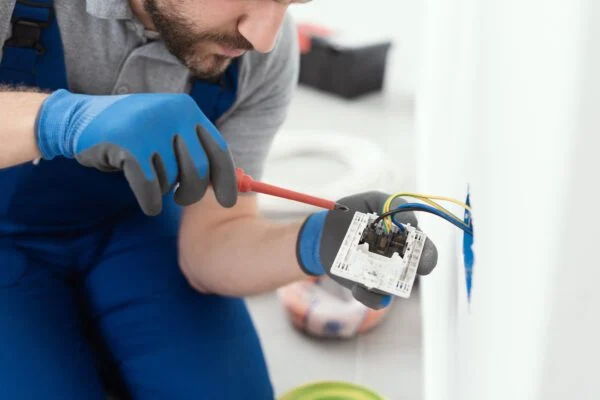
Anything touching electrical work — swapping out an outlet, installing a new light fixture, adding a USB charging outlet — falls into a category where most homeowners prefer to work with someone experienced and properly covered by insurance. The risk profile is different from a furniture assembly, and doing it wrong has real consequences.
Plumbing falls into a similar category. Tightening a visible compression fitting under a sink is low-stakes. Replacing a faucet is manageable for a confident DIYer. But anything involving supply lines inside walls or main shutoff work is a job for a professional.
The honest guideline: if the task requires tools you don't own, experience you haven't developed, or if getting it wrong means a safety risk or an expensive secondary repair, calling for professional home repair support is the right move. If it's a simple tightening, cleaning, or minor swap, try it yourself first.
The grey zone — where most homeowners end up calling — is the middle category: jobs that seem doable but take longer than expected, require a second pair of hands, or reveal a bigger issue partway through. That's where having a reliable local handyman on the list saves the most time and frustration.
Appliances are expensive to replace and often fixable. A washing machine that vibrates loudly during the spin cycle is usually a load balance issue or worn drum bearings — not a reason to buy a new machine. A dryer taking two full cycles to dry a single load is often a blocked lint duct rather than a failed heating element. These are diagnostic problems first, and the repair follows from getting the diagnosis right.
Home appliance repair for common household machines — washers, dryers, dishwashers, refrigerators — typically involves identifying whether the issue is mechanical, electrical, or a simple maintenance failure. In many cases, a service visit to diagnose and fix a problem costs a fraction of what a replacement would run.
Dishwashers that aren't draining properly often have a clogged filter or a blocked drain hose — a maintenance issue that looks alarming but is usually resolved in under an hour. Refrigerators that aren't holding temperature are a more involved diagnostic, but condenser coil cleaning and door seal replacement are both repairs that restore performance without a full unit replacement.
Light electrical upgrades are a separate but equally common request. Swapping a dated two-prong outlet for a grounded three-prong outlet, adding a USB outlet in a kitchen or home office, or replacing a faulty light switch — these are the kinds of electrical jobs that accumulate in a home over time. They're not complex in terms of scope, but they benefit from someone who knows what they're doing.
Light fixture installation — pendant lights, ceiling fans, flush-mount fixtures — is another regular request. The wiring is straightforward in most cases, but matching the box in the ceiling to the fixture weight, and making sure everything is properly connected and covered, is a step that matters.
Explore our latest resources, guides, and helpful information.